

Medicare Billing Services
Medicare billing services for Part A and Part B claims. We manage LCD and NCD compliance, ABN requirements, Medicare-specific coding.
What Medicare Billing Demands
Medicare pays on published policy rather than negotiation. Coverage is governed by national and local determinations, liability shifts depending on whether an ABN was issued, and enrollment must be active and correctly reassigned before any of it matters.
- Coverage checked against national and local determinations
- ABN issued and the correct liability modifier applied when denial is expected
- PECOS enrollment and reassignment verified before billing
- Timely filing tracked against Medicare's own deadline
Medicare Billing Services Explained
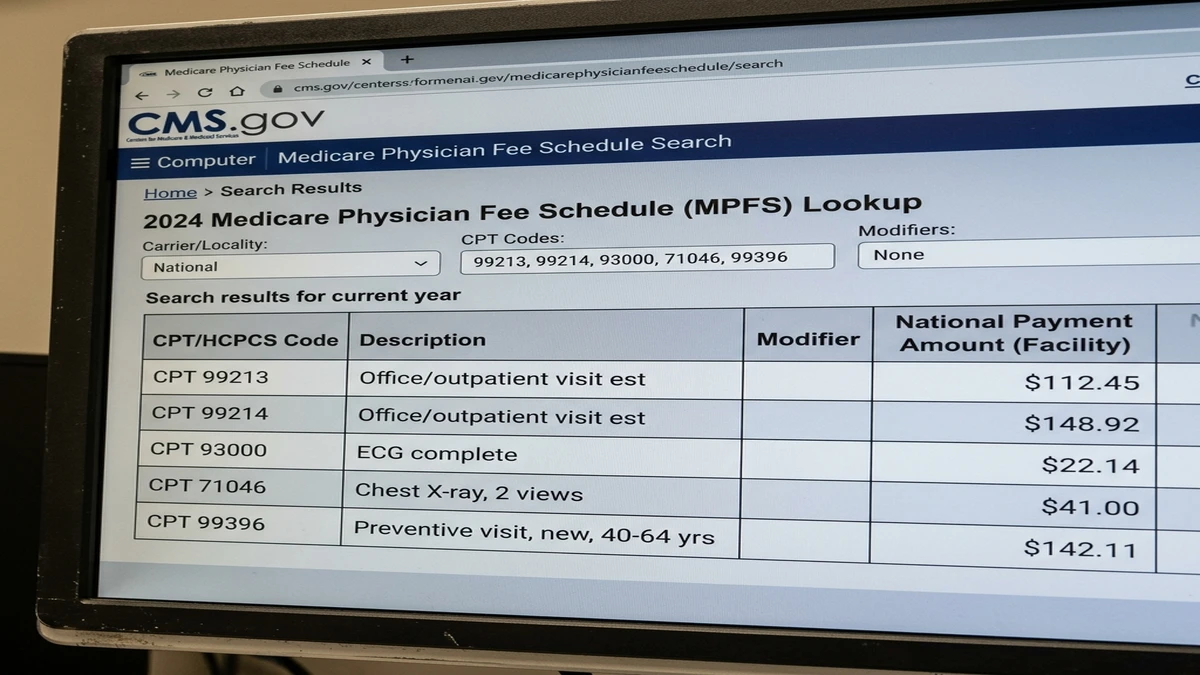
Medicare is the largest single payer for most Florida physician practices, covering patients 65 and older, patients with end-stage renal disease, and certain disabled individuals under 65. Most Florida Medicare Advantage volume sits with Humana, UnitedHealthcare and Aetna, each applying plan rules on top of Medicare policy. Medicare remittances also carry the mandatory CO-253 sequestration reduction, which is a contractual write-off rather than a denial. CMS Medicare Part B governs physician professional fee billing through the Physician Fee Schedule, and every claim must align with Local Coverage Determinations, National Coverage Determinations, and Medicare-specific coding rules that differ from commercial payer requirements.
Medsure RCS manages Medicare billing for Florida practices with full knowledge of LCD and NCD compliance, Advance Beneficiary Notice requirements, timely filing windows, and Medicare-specific modifier rules. We handle provider credentialing and billing simultaneously so practices are enrolled and billing without gaps. Quality reporting through MIPS consulting directly affects Medicare reimbursement rates, and systematic denial management is essential for recovering revenue under Medicare adjudication rules. Location and workforce programs add modifiers of their own, including modifier AG and modifier GF.
How It Works: Step by Step
LCD and NCD Verification
Before claim submission, each service is checked against applicable Local Coverage Determinations and National Coverage Determinations to confirm coverage criteria are met and documented.
Modifier and Coding Application
Medicare-specific modifiers including 25, 57, 59, GA, GX, and GY are applied correctly based on the service type, clinical documentation, and Medicare coverage rules.
ABN Management
Advance Beneficiary Notices are identified, tracked, and applied to non-covered services before the visit so patient liability is documented and Medicare compliance is maintained.
Remittance Reconciliation
Medicare EOBs and ERAs are reconciled against contracted rates, contractual adjustments are applied, and underpayments are identified and appealed within Medicare timely filing windows.
Why This Matters for Your Revenue Cycle
Medicare-specific LCD/NCD checks and modifier accuracy drive first-pass acceptance above 95%.
All Medicare claims are submitted within the one-year timely filing window from the date of service.
Every Medicare claim is verified against applicable Local Coverage Determinations before submission.
Non-covered services are flagged and ABNs are documented before the date of service.
Common Mistakes in Medicare Billing Services
Missing LCD Documentation
Medicare Local Coverage Determinations require specific ICD-10 diagnosis codes and clinical documentation to support coverage. Submitting claims without the exact diagnosis codes listed in the LCD results in denial, even when the service was clinically appropriate.
Incorrect Timely Filing
Medicare has a one-year timely filing window from the date of service for Part B claims. Claims submitted after the deadline receive a CO-29 denial and cannot be appealed regardless of circumstances. Tracking every claim submission date is essential.
Missing or Wrong Modifier
Medicare modifier rules are extensive. Modifier 25 is required when a significant E/M is performed on a procedure day. Modifier 59 establishes distinct procedural services. GA documents ABN issuance. Missing or incorrect modifiers result in bundling denials or compliance exposure.
Billing Non-Covered Services Without ABN
When a service is known or expected to be non-covered by Medicare, an Advance Beneficiary Notice must be signed by the patient before the service. Billing a non-covered service to Medicare without a valid ABN on file creates liability for the provider.
How Medsure RCS Manages Medicare Billing Services
Part B Professional Billing
Complete Medicare Part B physician fee schedule billing with LCD/NCD compliance, correct place of service, and timely filing management.
Medicare Advantage Billing
Separate billing workflow for Medicare Advantage plans with plan-specific prior authorization, network rules, and appeals processes.
ABN and Non-Covered Service Management
Advance Beneficiary Notice tracking and documentation for services with coverage risk before the date of service.
MIPS Support
MIPS quality reporting support aligned with Medicare billing to protect the practice's Medicare reimbursement adjustment.
Medicare Denial Appeals
Medicare denials are appealed through the five-level appeal process with clinical documentation and LCD-specific rationale.
Secondary Claim Filing
After Medicare adjudication, secondary payer claims are filed with correct cross-over codes and Medicare remittance information.
Medicare Billing Services, Frequently Asked Questions
Medicare Part B requires claims to be filed within one year (12 months) of the date of service. Claims filed after this deadline receive a CO-29 denial and are not eligible for appeal. We track every claim submission date and use automated reminders to prevent timely filing misses.
An LCD is a CMS-issued policy from the Medicare Administrative Contractor covering a specific geographic jurisdiction that defines coverage criteria for a specific service or diagnosis combination. If a service does not meet the LCD's criteria, including the specific ICD-10 codes listed as covered diagnoses, Medicare will deny the claim. We check LCDs before every applicable claim submission.
Yes. Traditional Medicare (Original Medicare) and Medicare Advantage are billed separately. MA plans have their own networks, prior authorization requirements, and appeals processes that differ from traditional Medicare. We manage both billing streams with plan-specific workflows.
An ABN is required when a provider believes Medicare will not cover a service because it does not meet coverage criteria, is not considered medically necessary, or is investigational. The ABN must be signed before the service is provided. Without a valid ABN, the provider cannot bill the patient for non-covered services.
Ask About Medicare Billing Services
Ready to Improve Your Medicare Billing Services?
Talk to a Medsure RCS specialist. No commitment, no pressure, just answers.
Sign up for our newsletter to receive updates, industry news, and articles about medical billing and revenue cycle management.