

Claim Denial Prevention Services
Proactive denial prevention through front-end eligibility verification, claim scrubbing, and prior authorization tracking to cut rejections at submission.
How Denials Are Prevented Rather Than Worked
Prevention means the denial data feeds back into the front end. When a recurring denial is traced to the intake, authorization or coding step that caused it, and that step is corrected, the claim stops being denied rather than being reworked every month.
- Denial causes traced to the originating workflow step
- Front-end checks updated from actual denial data
- Recurring patterns prioritised over individual claim rework
- Prevention measured by whether the denial rate falls
Claim Denial Prevention Explained
Claim denial prevention is the proactive approach to eliminating the conditions that cause insurance denials before a claim is ever submitted. The majority of denial types, including eligibility, authorization, coding, and timely filing denials, are preventable with front-end workflow improvements, starting with eligibility verification before every visit and prior authorization management before every service. Every dollar spent preventing a denial is worth more than the same dollar spent on insurance denial appeals, because appeals require time, carry uncertain outcomes, and do not always succeed.
Medsure RCS approaches denial prevention as a systematic workflow discipline, not a periodic project. We build eligibility verification, authorization tracking, claim scrubbing, and coding review into the standard billing cycle so that denials are eliminated at the source rather than pursued after the fact. Pre-submission edits through a billing clearinghouse are the final line of defense before claims reach the payer.
How It Works: Step by Step
Eligibility Verification Before Every Visit
Insurance coverage, benefits, and authorization requirements are verified before every patient encounter, preventing coverage-based denials at the claim level.
Prior Authorization Workflow
All services with authorization requirements are identified at scheduling and authorizations are obtained before the service date.
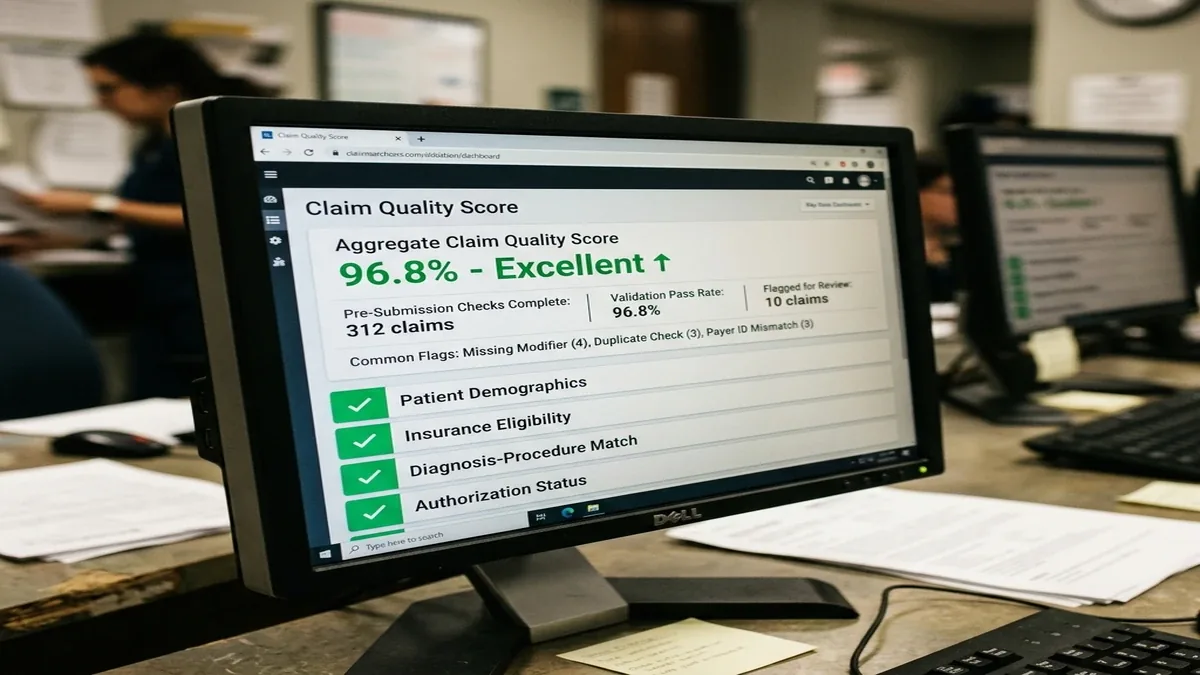
Pre-Submission Claim Scrubbing
All claims pass through clearinghouse edit checks and internal coding review before submission to catch data errors, coding mistakes, and missing fields.
Denial Pattern Analysis and Front-End Correction
Denial trends are analyzed monthly, and recurring denial types are traced back to the specific front-end workflow step where they originate for correction.
Why This Matters for Your Revenue Cycle
Industry data shows that the majority of claim denials are caused by preventable front-end errors.
Every claim passes through clearinghouse validation before reaching any payer.
Fewer denials means less time and cost spent on denial appeals, staff time, and rework.
Denial root causes are reviewed monthly to drive continuous front-end improvement.
Common Mistakes in Claim Denial Prevention
Treating Denial Management as the Solution to a Prevention Problem
Appealing denied claims is necessary but treating the appeal process as the primary response to denials is a sign that the practice is spending more on rework than prevention. Most denial management effort should go into prevention, not appeals.
Not Tracking Denial Root Causes Systematically
Denials cannot be prevented without knowing what causes them. Tracking denial reason codes by type, payer, and service category is the first step toward front-end correction. Practices that do not track root causes keep addressing the same denial types repeatedly.
Fixing Denials Without Changing the Process That Created Them
Appealing and recovering individual denied claims without changing the upstream workflow issue means the same denial type will recur on the next set of claims. Every denial recovery should trigger a root cause review and process correction.
Skipping Eligibility Verification for Established Patients
Assuming established patients have the same insurance as their last visit is a common source of preventable eligibility denials. Insurance changes constantly; verification must occur before every encounter regardless of patient history.
How Medsure RCS Manages Claim Denial Prevention
Pre-Visit Eligibility Verification Program
A systematic verification workflow covers every patient encounter before billing, preventing the majority of coverage-related denials before claims are submitted.
Authorization Requirement Tracking
Payer-specific authorization requirements are tracked and applied at scheduling, ensuring PAs are in place before services are rendered.
Pre-Submission Claim Scrubbing
All claims are validated through clearinghouse edit checks and internal coding review before submission to catch data errors before they reach payers.
Denial Root Cause Analysis and Prevention Reports
Monthly reports identify the specific workflows, payer rules, or documentation gaps causing recurring denials with recommended front-end corrections for each pattern.
Claim Denial Prevention, Frequently Asked Questions
Industry studies indicate that approximately 60 to 75 percent of claim denials are preventable with proper front-end workflows. The most preventable categories include eligibility denials, authorization denials, and timely filing denials, all of which result from process failures rather than clinical disputes.
Claim scrubbing is the validation of a claim against a set of rules before it is submitted to the payer. Scrubbing checks include missing required fields, code validity, diagnosis-to-procedure alignment, modifier appropriateness, and payer-specific format requirements. Errors caught in scrubbing are corrected before submission rather than becoming formal rejections or denials.
We prioritize by denial volume and revenue impact. The denial types that occur most frequently and affect the most revenue get addressed first. For most practices, eligibility, authorization, and coding denials account for the majority of preventable denial volume.
Sometimes. Many denials originate from documentation gaps that affect coding or medical necessity determination. When documentation is the root cause, we work with providers to identify the specific elements their documentation is missing, without asking them to change their clinical workflow more than necessary.
Ask About Claim Denial Prevention
Ready to Improve Your Claim Denial Prevention?
Talk to a Medsure RCS specialist. No commitment, no pressure, just answers.
Sign up for our newsletter to receive updates, industry news, and articles about medical billing and revenue cycle management.