

CPT 95938: Somatosensory Evoked Potentials, Upper and Lower
CPT 95938 reports short-latency somatosensory evoked potential studies of upper and lower limbs. Billing and documentation rules.
Billing 95938 Correctly
CPT 95938 reports short-latency somatosensory evoked potential studies of upper and lower limbs. Billing and documentation rules.
Source: AMA CPT and CMS billing guidance, verified 2026-09-11
95938 in Detail
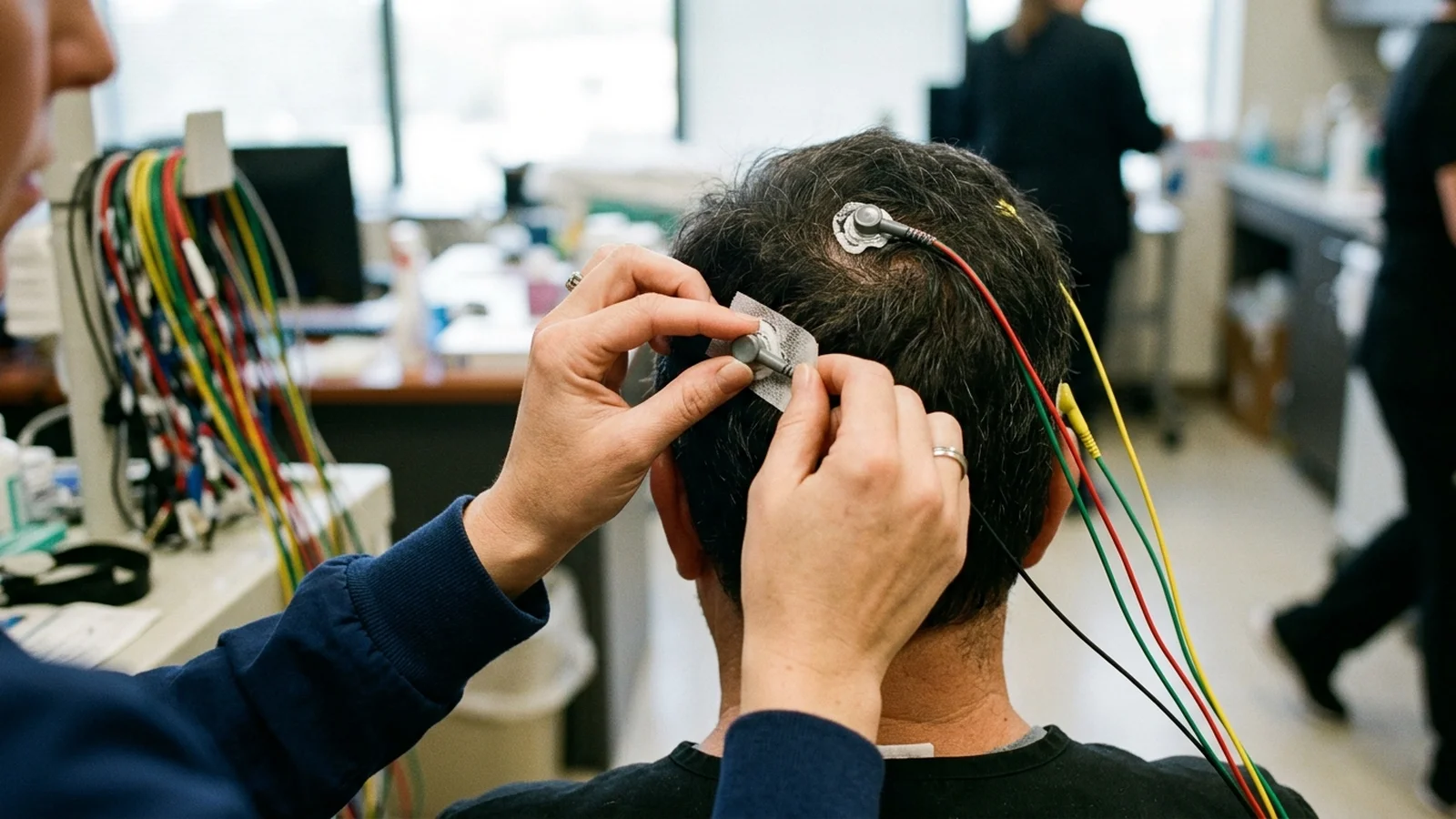
CPT 95938 reports short-latency somatosensory evoked potential testing covering both upper and lower limbs. Separate codes exist for each region alone, so the code must reflect what was actually tested rather than what was ordered.
A second distinction matters just as much: evoked potentials used for monitoring during surgery are reported under the intraoperative monitoring codes, not this one. The intraoperative monitoring code is 95940, and these claims are worked through neurosurgery billing and neurology billing.
Using 95938 Correctly
Documentation Requirements
Ensure clinical notes clearly support the level of service, procedure performed, and medical necessity for this CPT code.
Modifier Requirements
Determine whether any modifiers are required for this code, particularly in bilateral, assistant surgeon, or multiple procedure scenarios.
Payer-Specific Rules
Check payer fee schedules and coverage policies, as reimbursement and coverage rules for this code vary by payer.
Bundling Considerations
Review NCCI edits to confirm this code is not bundled with other procedures billed on the same date of service.
95938 Reference
| Field | Details |
|---|---|
| CPT Code | 95938 |
| Official Descriptor | Short-latency somatosensory evoked potential study, stimulation of any/all peripheral nerves or skin sites, recording from the central nervous system. |
| What It Covers | Short-latency somatosensory evoked potential testing with peripheral nerve or skin site stimulation and central nervous system recording. |
| Upper and Lower Limbs | This code covers testing of both upper and lower limbs. Separate codes exist for upper limbs only and lower limbs only, so the code must match what was actually studied. |
| Interpretation | A physician interpretation and report are required. In a hospital setting the professional and technical components may be split depending on the arrangement. |
| Not for Intraoperative Use | Evoked potentials performed as intraoperative monitoring are reported with the intraoperative monitoring codes, not with the diagnostic evoked potential codes. |
| Common Denial Cause | Selecting the combined upper and lower code when only one region was studied, or reporting a diagnostic code for monitoring performed during surgery. |
Source: AMA CPT and CMS billing guidance, verified 2026-09-11
Related Billing Resources
95938, Frequently Asked Questions
Short-latency somatosensory evoked potential study, stimulation of any/all peripheral nerves or skin sites, recording from the central nervous system.
Having Trouble With This Code?
Our billing specialists can help you resolve denials, improve coding accuracy, and reduce claim rejections.
Sign up for our newsletter to receive updates, industry news, and articles about medical billing and revenue cycle management.