

ICD-10-CM Coding Services
Accurate ICD-10-CM diagnosis coding aligned with clinical documentation and CMS guidelines. Correct coding supports clean claims and lower audit risk.
What ICD-10-CM Coding Has to Establish
Diagnosis coding carries the medical necessity argument for everything else on the claim. Codes must reflect the documented clinical picture at the highest level of specificity the record supports, and link accurately to each procedure billed.
- Codes assigned from documented provider statements, not assumptions
- Highest specificity the clinical record actually supports
- Diagnoses linked to procedures to establish medical necessity
- Coverage exclusions screened before the claim is submitted
ICD-10-CM Coding Explained
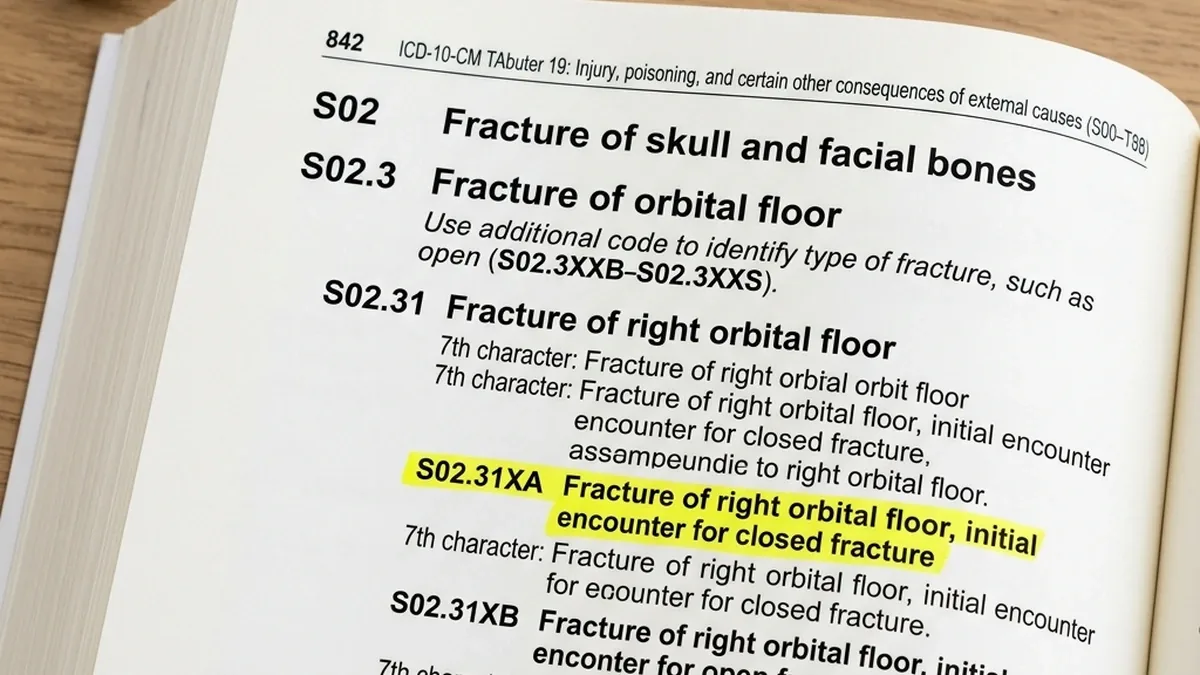
ICD-10-CM (International Classification of Diseases, 10th Revision, Clinical Modification) is the standardized code set used to classify diagnosis codes on medical claims in the United States. Accurate ICD-10-CM coding requires that the principal diagnosis, secondary diagnoses, and comorbidities are selected, sequenced, and coded to the highest level of specificity supported by the clinical documentation. CMS publishes annual ICD-10-CM code updates effective October 1 each year.
Medsure RCS applies ICD-10-CM codes that reflect the actual clinical content of each encounter, not default or unspecified codes selected for convenience. Our coding follows Official Coding Guidelines, payer-specific LCD and NCD requirements, and CMS annual code update cycles to ensure that every diagnosis code on every claim is defensible and complete. Accurate diagnosis coding is also the foundation of defensible E/M coding and is critical for medical billing compliance. ICD-10-CM codes pair with CPT procedure codes on every claim and are a primary target in a medical coding audit.
How It Works: Step by Step
Documentation Review
Clinical documentation is reviewed to identify all confirmed diagnoses, signs and symptoms, comorbidities, and relevant clinical history.
Principal Diagnosis Selection
The principal diagnosis is selected according to UHDDS guidelines for inpatient or the presenting problem for outpatient encounters, per Official Coding Guidelines.
Specificity Assessment
Each diagnosis is coded to the highest level of specificity available in ICD-10-CM that is supported by the documentation, including laterality, episode of care, and severity when applicable.
Sequence and Validation
Codes are sequenced in the correct order per coding guidelines and validated against CMS edits and payer-specific policies before claim submission.
The Impact of Accurate Coding
We code to the maximum ICD-10-CM specificity the documentation supports, maximizing defensibility and reimbursement accuracy.
Our coding is updated for every ICD-10-CM annual code set update effective October 1 each year.
Specific, accurate diagnosis coding reduces medical necessity denials driven by under-specified or mismatched diagnosis codes.
Every code assignment is supported by a documentation reference to defend against payer or audit challenges.
Common Mistakes in ICD-10-CM Coding
Using Unspecified Codes When Documentation Supports Specificity
ICD-10-CM offers highly specific codes for laterality, etiology, and clinical detail. Using unspecified codes when the documentation contains sufficient detail misrepresents the encounter and may result in unnecessary medical necessity denials from payers that expect specific coding.
Coding From the Superbill Instead of the Documentation
Superbills contain provider-selected codes that may not fully reflect the clinical encounter. Diagnosis coding must be based on the clinical documentation, not only on checkboxes selected under time pressure at the point of care.
Incorrect Diagnosis Sequencing
Diagnosis sequencing on a claim affects which code is treated as the principal diagnosis and which are reported as secondary. Incorrect sequencing can result in denied medical necessity determinations or reduced reimbursement for encounters where comorbidities drive care complexity.
Not Updating to Annual ICD-10-CM Code Changes
CMS releases ICD-10-CM code updates every October 1. Claims submitted with deleted or invalid codes are rejected. Practices that do not implement annual code updates create a recurring front-end rejection problem at the start of every fiscal year.
How Medsure RCS Manages ICD-10-CM Coding
Documentation-Driven Diagnosis Coding
Every ICD-10-CM code is assigned based on the clinical documentation, not superbill selections, with the documentation reference captured for audit support.
Coding Guideline Compliance
Coding follows UHDDS guidelines for inpatient, the Official ICD-10-CM Coding Guidelines for outpatient, and CMS quarterly coding clinic guidance updates.
LCD and NCD Cross-Reference
Diagnosis codes are cross-referenced against applicable Local Coverage Determinations (LCDs) and National Coverage Determinations (NCDs) to confirm medical necessity alignment for Medicare claims.
Annual Code Update Implementation
ICD-10-CM code set updates are implemented by October 1 each year across all client accounts, preventing rejected claims from deleted or new codes.
Related Services
ICD-10-CM Coding, Frequently Asked Questions
ICD-10-CM is the diagnosis code set used on both professional and institutional claims in the US. ICD-10-PCS is the inpatient procedure code set used only on institutional (UB-04) claims for inpatient hospital services. Professional (CMS-1500) claims use CPT codes, not ICD-10-PCS, for procedures.
The Official Coding Guidelines require coding to the highest level of specificity that is supported by the clinical documentation. For conditions with specificity options for laterality, episode, severity, or etiology, the most specific code that the documentation supports must be selected.
Yes. A diagnosis code that does not meet an LCD or NCD medical necessity requirement for the billed service, or a code that is not covered under the patient's plan, will result in a medical necessity denial regardless of CPT coding accuracy.
Per the Official Coding Guidelines, outpatient claims should report the condition to the highest degree of certainty. If a diagnosis is not confirmed, symptoms, signs, or "rule out" conditions are coded. Confirmed diagnoses should not be coded until established in the documentation.
Ask About ICD-10-CM Coding
Ready to Improve Your ICD-10-CM Coding?
Talk to a Medsure RCS specialist. No commitment, no pressure, just answers.
Sign up for our newsletter to receive updates, industry news, and articles about medical billing and revenue cycle management.